Japan’s First Female Prime Minister: Sanae Takaichi Ushers in a Political Revolution
In October 2025, Japan entered a new political era. Sanae Takaichi, a long-time Liberal Democratic Party (LDP) member, became the nation’s first female prime minister. Her rise marks more than just a symbolic victory for gender equality — it signals a structural shift in Japan’s political landscape. For the first time in decades, the LDP’s long-standing alliance with Komeito has fractured, giving way to an unprecedented partnership with Nippon Ishin no Kai (Japan Innovation Party).
This coalition reshaping effectively ends the “LDP–Komeito regime” that has dominated Japan’s post-Heisei era. The Takaichi administration represents both political continuity and disruption: continuity in conservative governance, disruption in the power balance that has defined Tokyo politics since the late 1990s. The decision to align with Ishin rather than Komeito reflects a strategic pivot toward reformist, economically liberal policies, in tune with public frustration over bureaucracy, taxation, and stagnant reforms.
The End of the LDP–Komeito Era
For over two decades, the LDP–Komeito coalition provided Japan with political stability but also drew criticism for complacency. Policy innovation slowed, and voter turnout dropped. The relationship, once a pillar of pragmatic governance, became a symbol of stagnation. When Takaichi assumed party leadership, she faced a choice: maintain a fragile alliance with Komeito or embrace a bolder partnership with Ishin — a party that has gained traction among younger, reform-minded voters.
Her decision to pursue the latter sent shockwaves through Nagatachō. The message was clear: the age of quiet consensus politics is over. Ishin, known for its Osaka-based populist and fiscal reform agenda, brought to the table key issues such as reducing the number of Diet members and abolishing the gasoline tax. These proposals, once deemed unrealistic under the LDP–Komeito partnership, are now central to the new administration’s policy debate.
Public Reaction and Global Attention
Public sentiment is mixed but energized. Polls conducted by major outlets like NHK and Nikkei show an initial surge in approval ratings, particularly among younger voters and working families burdened by rising living costs. International media — including The Economist and Reuters — have described Takaichi’s rise as “Japan’s Thatcher moment,” comparing her leadership style to other conservative reformers who combined national pride with economic liberalization.
However, challenges remain. Forming a stable coalition with Ishin requires aligning differing priorities: Ishin’s aggressive decentralization agenda versus the LDP’s traditional bureaucratic control. Moreover, the end of cooperation with Komeito risks alienating a segment of moderate voters and religious groups, long considered essential for electoral stability. Political analysts like Shinichiro Suda emphasize that the success of this new coalition will depend on whether both parties can move beyond rhetoric to deliver tangible results — especially on taxation and political reform.
The Core Message
In essence, the Takaichi administration symbolizes both an end and a beginning. It ends the era of compromise-driven, slow reform and begins a phase of assertive policy realignment aimed at restoring public trust in governance. Whether it can deliver structural change — or merely reshuffle alliances — will define Japan’s political trajectory for the next decade.
In the next section, we will explore the driving forces that made this realignment inevitable: voter fatigue, policy gridlock, and Ishin’s calculated strategy to expand its influence on the national stage.
The Breaking Point: Why the LDP Abandoned Its Alliance with Komeito
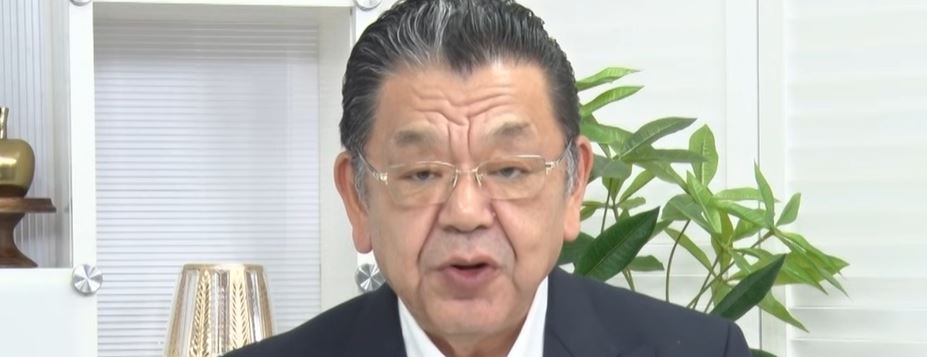
The dissolution of the long-standing alliance between the Liberal Democratic Party (LDP) and Komeito did not happen overnight. Political analysts describe it as the result of “policy fatigue” — a gradual erosion of shared goals and public trust. For years, the coalition’s pragmatic approach maintained stability, but at the cost of decisive reform. As economic stagnation deepened and public frustration grew, the LDP faced mounting pressure to reinvent its governing model.
1. The Policy Fatigue Within the LDP–Komeito Alliance
Since the early 2000s, the LDP–Komeito coalition has served as the cornerstone of Japan’s ruling framework. However, the alliance increasingly became characterized by compromise and policy dilution. Komeito’s influence, rooted in its religious organization Soka Gakkai, often prioritized welfare expansion and pacifist diplomacy, while the LDP’s conservative faction sought economic and defense reform. This mismatch, once manageable, became unsustainable as Japan entered a post-pandemic phase defined by inflation, labor shortages, and global uncertainty.
By 2024, Komeito’s refusal to support defense spending increases and its resistance to tax restructuring placed it at odds with the LDP’s leadership. Sanae Takaichi, representing a new generation of conservative pragmatists, viewed these internal frictions as an obstacle to reform. Her leadership campaign emphasized “unshackled decision-making” — a veiled critique of Komeito’s veto power in Cabinet decisions.
2. The Rise of Ishin: A Reformist Alternative
Meanwhile, the Japan Innovation Party (Ishin) was rapidly expanding its national footprint. Originally an Osaka-based regional party, Ishin transformed into a national force by campaigning on fiscal reform, deregulation, and decentralization. Its message — “Smaller government, stronger local autonomy” — resonated with voters disillusioned by bureaucracy and heavy taxation. By 2025, Ishin had gained enough parliamentary seats to become the third-largest party in the Diet, positioning itself as a viable coalition partner.
Ishin’s appeal to the LDP was both ideological and strategic. Both parties share a conservative base, but Ishin’s populist tone and focus on efficiency offered something the LDP lacked: momentum. Takaichi saw in Ishin an opportunity to rejuvenate her party’s image while advancing long-stalled reforms like Diet member reduction and fuel tax abolition — issues long shelved under Komeito’s cautious influence.
3. Behind the Scenes: Coalition Negotiations
According to sources cited by journalist Shinichiro Suda, backchannel talks between LDP reformists and Ishin began months before Takaichi’s formal election. Discussions centered around three policy pillars:
- Reducing the number of Diet members and cutting political costs
- Abolishing the gasoline tax (including the temporary surcharge)
- Reforming the civil service and decentralizing fiscal power
Negotiators reportedly framed these policies as “mutual confidence-building measures” — symbolic yet impactful enough to demonstrate commitment to reform. For Ishin, the partnership offered access to national policymaking; for Takaichi, it provided the political leverage needed to break from the old coalition without appearing reckless.
4. The Public’s Role in Forcing Change
Public pressure also played a critical role. A 2025 Asahi Shimbun poll found that 68% of respondents believed “Japan needs a new ruling structure.” Economic stagnation, rising utility costs, and frustration with political gridlock made voters receptive to change. Takaichi’s leadership, combined with Ishin’s reformist rhetoric, tapped into this sentiment effectively. The coalition talks were thus not only a political calculation but also a response to public demand for renewal.
5. A Strategic Realignment, Not a Temporary Fix
While some critics view the LDP–Ishin coalition as a short-term experiment, others see it as the beginning of a lasting political realignment. The partnership signals a pivot toward a more assertive, economically liberal, and regionally decentralized model of governance. In this sense, the “end of the LDP–Komeito era” is less a collapse than a strategic evolution designed to meet the demands of 21st-century Japan.
In the next section, we will delve into the first major policy born from this alliance: the reduction of Diet seats — a long-debated reform that now stands at the center of Japan’s new political order.
The Battle Over Diet Reform: How Seat Reduction Became the Symbol of Political Change

Among the many reforms discussed between the new Takaichi administration and the Japan Innovation Party (Ishin), none carries more symbolic weight than the reduction of Diet seats. It represents a direct challenge to Japan’s entrenched political class — a promise to “cut politics’ own costs before asking citizens for sacrifice.” While this idea has appeared in manifestos for decades, no administration has dared to make it a core policy. That changed the moment Sanae Takaichi took office.
1. The Historical Context: A Promise Always Deferred
Since the early 1990s, Japan has debated the size of its legislature. With 465 members in the House of Representatives and 248 in the House of Councillors, Japan’s National Diet is one of the largest among OECD nations relative to population. Reformers have long argued that downsizing would reduce waste and enhance accountability. Yet, every attempt at change faced resistance from incumbents who feared losing their electoral strongholds.
Even under former Prime Ministers Abe and Kishida, discussions about trimming the Diet’s size were routinely postponed under the pretext of “ensuring regional representation.” The issue was politically toxic — until Ishin reframed it as a moral necessity rather than a fiscal one. Their slogan, “Politicians must sacrifice first”, struck a chord with the public and eventually became a key condition in their coalition talks with the LDP.
2. Ishin’s Leverage and Takaichi’s Calculation
According to reports by Yomiuri Shimbun and journalist Shinichiro Suda, Ishin’s negotiators made it clear during early coalition talks: no deal without commitment to seat reduction. Takaichi, aware of Ishin’s growing popularity and the LDP’s waning credibility, chose to embrace the demand. Her calculation was twofold. First, it would demonstrate her government’s willingness to act on reform rather than rhetoric. Second, it would weaken opposition criticism that her administration was “old politics in new packaging.”
Insiders reveal that the initial draft proposal called for cutting 50 seats from the House of Representatives over two election cycles, combined with a review of proportional representation blocks. This plan, while modest, signaled a serious intent to confront vested interests within her own party. Resistance came swiftly from senior LDP members tied to rural constituencies, who warned that reducing seats could “silence regional voices” and further empower urban elites — a criticism echoing Komeito’s earlier objections.
3. The Bureaucratic Resistance
The Ministry of Internal Affairs and Communications (MIC), which oversees election administration, has also raised logistical and constitutional concerns. Bureaucrats argue that any major redistricting must ensure “equal vote value,” a complex legal standard that has repeatedly triggered Supreme Court challenges in Japan. This gave reform opponents a procedural shield — delaying implementation under the guise of fairness.
Yet Ishin’s leadership, notably co-chair Nobuyuki Baba, countered that bureaucratic inertia had been used for decades to paralyze reform. “The public has waited long enough,” he declared during a televised debate, adding that “if we can’t reform the Diet itself, we can’t reform anything.” The statement resonated with voters, amplifying pressure on the LDP to deliver tangible progress within the first year of the coalition.
4. Public Opinion and Media Framing
Public sentiment has strongly favored seat reduction. A 2025 Mainichi Shimbun survey found that 74% of respondents support cutting Diet members, citing political cost and lack of accountability. Social media platforms amplified the debate, with hashtags like #CutTheDiet trending for weeks. Media outlets framed the reform as a litmus test of the new coalition’s credibility — a “make or break” moment for the Takaichi government.
International observers have also taken note. Analysts from Bloomberg and Foreign Policy described Japan’s move toward smaller government as part of a global trend where populist reformers capitalize on anti-establishment sentiment. For Takaichi, the political reward is clear: if she succeeds, she cements her legacy as a transformative leader. If she fails, she risks being remembered as another cautious conservative constrained by party elders.
5. The Road Ahead
As of October 2025, the draft reform bill is expected to be introduced in the next extraordinary Diet session. Early reports suggest that a bipartisan task force, co-chaired by Ishin and reformist LDP members, will oversee the legal framework for redistricting and constitutional review. However, internal resistance remains fierce, particularly from rural blocs and factions tied to public works budgets.
Political commentator Shinichiro Suda summarizes it succinctly: “Seat reduction is not just a numbers game — it’s a battle over who controls the narrative of reform.” In that sense, the issue is less about efficiency and more about legitimacy. For the Takaichi administration, success here would validate its alliance with Ishin; failure could unravel the coalition before its reforms even begin.
In the next section, we will examine the second major policy shaping the coalition’s identity: the abolition of the gasoline tax — a measure with both economic and populist implications for Japan’s struggling households.
The Abolition of Japan’s Gasoline Tax: Populism or Genuine Reform?

Few issues resonate with voters as directly as the cost of fuel. In Japan, where transportation and logistics underpin nearly every industry, rising gasoline prices have long symbolized government inefficiency and overtaxation. Against this backdrop, the new coalition between Prime Minister Sanae Takaichi’s LDP and the Japan Innovation Party (Ishin) has made the abolition of the gasoline tax — specifically the “temporary surcharge” (暫定税率) — one of its flagship policies.
This policy, long considered politically untouchable, represents both a populist appeal and an economic gamble. For decades, successive governments have promised “temporary relief” from fuel taxes, only to maintain them indefinitely. The Takaichi–Ishin coalition has now pledged to end this cycle — but the road to abolition is far from straightforward.
1. Understanding the Gasoline Tax Structure
Japan’s gasoline tax consists of two major components: the base fuel tax and the temporary surcharge introduced in 1974 during the oil crisis. Although labeled “temporary,” the surcharge has remained in place for over 50 years, generating nearly ¥2.5 trillion in annual revenue. These funds primarily support road maintenance, infrastructure development, and disaster-prevention projects. In effect, the surcharge became a silent pillar of Japan’s fiscal policy.
Successive administrations — from Koizumi to Abe — have discussed reform but ultimately upheld the tax, citing fiscal necessity. Yet by 2025, the combination of inflation, stagnant wages, and global energy shocks made the surcharge politically untenable. Public frustration peaked when gasoline prices surpassed ¥190 per liter nationwide, prompting widespread calls for government intervention.
2. Ishin’s Populist Edge and Public Pressure
The Japan Innovation Party seized this moment. During the 2025 general election, Ishin’s campaign slogan — “End the Temporary Tax, Start Real Reform” — galvanized middle-class and rural voters alike. Their proposal to abolish the surcharge immediately, offset by administrative spending cuts, attracted over 20% of independent voters, according to an NHK exit poll.
For Ishin, the gasoline tax became the perfect rallying point: simple, emotional, and symbolic of government inertia. The LDP, under Takaichi’s leadership, recognized the momentum and adopted the issue during coalition negotiations. It was both a concession and a calculated strategy — aligning with public sentiment while differentiating her administration from her predecessors.
3. Economic and Fiscal Implications
Eliminating the gasoline surcharge would provide short-term relief to consumers but carry significant fiscal risks. According to data from the Ministry of Finance, the surcharge accounts for nearly 1.8% of total national tax revenue. Removing it would create an estimated ¥2 trillion annual shortfall. Critics within the LDP warn that such a move could jeopardize infrastructure funding and exacerbate the fiscal deficit, already exceeding 250% of GDP.
However, economists aligned with Ishin argue that the tax’s inefficiency outweighs its benefits. Professor Hiroshi Nakano of Keio University contends that the surcharge “functions as a regressive tax, disproportionately burdening low-income households.” He suggests reallocating road-related funds from general tax revenue and introducing targeted subsidies for public transport and logistics companies.
Meanwhile, the Cabinet Office’s internal projections indicate that the immediate abolition could reduce household energy expenses by 5–7% and boost consumer confidence in the short term — a politically advantageous outcome for a new administration seeking early wins.
4. Bureaucratic Resistance and Political Bargaining
Behind the scenes, bureaucratic pushback has been intense. The Ministry of Land, Infrastructure, Transport and Tourism (MLIT), which relies heavily on road-related tax revenue, has lobbied to delay the abolition until “alternative funding sources” are secured. LDP veterans from rural districts — where road projects remain vital for employment — have also resisted rapid implementation.
To navigate this resistance, Takaichi reportedly proposed a phased approach: halving the surcharge in 2026, followed by full abolition in 2028, conditional on economic growth targets. Ishin, however, maintains that “a gradual rollback equals political retreat.” Negotiations remain ongoing, and the final policy design may determine the coalition’s stability.
5. The Broader Political Message
Ultimately, the gasoline tax debate extends beyond fiscal policy. It symbolizes the coalition’s broader promise to dismantle outdated political conventions. “Ending the temporary tax is about restoring trust,” Takaichi declared in her first Diet address, signaling that reform must be visible to the public, not buried in bureaucratic paperwork.
For the media and public alike, the measure has become a litmus test: can the LDP–Ishin government turn populist promises into actionable policy? The outcome will influence not only household economics but also Japan’s credibility in tackling systemic reform. As journalist Shinichiro Suda summarized in his analysis, “The gasoline tax is the gateway drug of Japanese reform — once you remove it, the public will demand more.”
In the next section, we will explore other key policies shaping this new coalition — from political donations reform to decentralization — and assess how they reflect Ishin’s growing influence inside the Takaichi government.
Beyond Gasoline and Diet Cuts: Ishin’s Expanding Policy Agenda
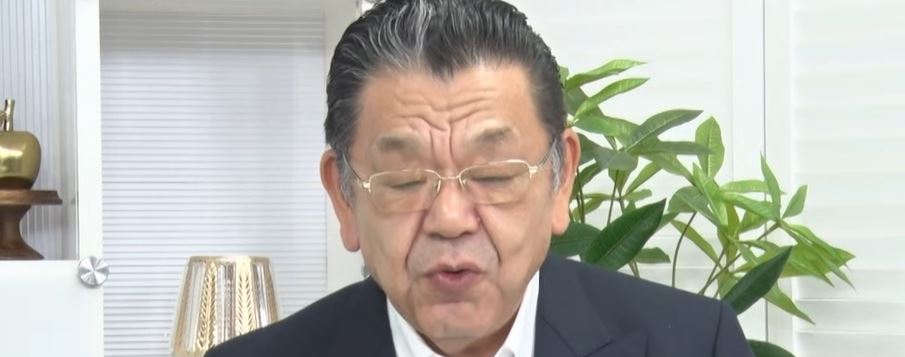
While the public spotlight has focused on the Takaichi–Ishin coalition’s headline reforms — the reduction of Diet seats and the abolition of the gasoline tax — these measures represent only part of a much larger political project. Behind closed doors, Ishin has pressed for a series of bold structural reforms that challenge the very foundations of Japan’s political and fiscal system. Among them are the prohibition of corporate and organizational donations, the freezing of the consumption tax, and the acceleration of local autonomy reforms.
For Prime Minister Sanae Takaichi, these demands present both an opportunity and a dilemma. They align with her reformist rhetoric but threaten the LDP’s long-standing ties to business lobbies and rural constituencies. The negotiations over these issues reveal a complex dance of principle, pragmatism, and power.
1. The Ban on Corporate and Organizational Donations
The Japan Innovation Party has consistently argued that political corruption in Japan is sustained by a system of corporate and organizational donations. These contributions, often channeled through industry associations or labor unions, create what Ishin leader Nobuyuki Baba calls “a pay-to-play culture in policymaking.” Their proposal calls for a complete ban on such donations within three years, replacing them with publicly disclosed small-donor funding models similar to those used in the United States and South Korea.
The LDP, however, remains deeply reliant on these contributions, particularly from construction, energy, and agricultural sectors. Internal party documents obtained by Nikkei Asia show that over 35% of the LDP’s campaign funds in 2024 came from corporate sources. Takaichi herself has expressed sympathy for donation transparency but stopped short of endorsing a full ban. Instead, she proposed a compromise: requiring real-time online disclosure of all political donations above ¥100,000.
This approach, while applauded by moderates, disappointed Ishin hardliners, who view transparency as insufficient without structural separation between money and policymaking. The issue remains under negotiation, but both sides recognize its symbolic power — a test of whether Japan’s new coalition can confront entrenched interests.
2. The Consumption Tax Freeze Debate
Another sticking point in coalition talks is Ishin’s call for a temporary freeze on the consumption tax (VAT), currently set at 10%. The proposal, aimed at stimulating consumer spending and offsetting inflation, has broad popular appeal. However, the Ministry of Finance fiercely opposes it, warning that suspending the tax would blow a ¥20 trillion hole in the national budget.
Takaichi’s administration has sought middle ground by suggesting targeted consumption tax rebates for low-income households, rather than a universal freeze. This “smart relief” model mirrors policies adopted in South Korea and Germany during post-pandemic inflation waves. While fiscally safer, critics argue it dilutes Ishin’s bold reform image and risks alienating voters who expected immediate relief.
Economists remain divided. Professor Mayumi Takeda of Tokyo University notes that “a tax freeze could provide short-term stimulus, but it risks long-term instability unless accompanied by expenditure reform.” Meanwhile, political analyst Shinichiro Suda emphasizes that the debate’s real significance lies not in tax arithmetic but in political symbolism — a visible rejection of bureaucratic orthodoxy.
3. The Push for Local Autonomy and Decentralization
Perhaps Ishin’s most ideological demand concerns decentralization. Rooted in its Osaka origins, the party envisions a Japan where regional governments wield greater fiscal and administrative power. Its “Metropolitan Concept” seeks to devolve taxation authority and reduce central ministries’ control over infrastructure budgets. In exchange, prefectures would assume responsibility for local welfare and education policy.
Takaichi, who has long championed regional revitalization, supports the principle but fears that rapid decentralization could destabilize fiscal management. The compromise emerging from coalition discussions involves a phased transfer of powers, beginning with transportation and tourism-related budgets in 2026. The Ministry of Internal Affairs is currently drafting legislation to formalize this shift — the first significant step toward a truly federalized governance model in modern Japan.
4. The Balancing Act of Leadership
For Takaichi, managing these competing priorities requires exceptional political agility. Her challenge is not only to satisfy Ishin’s reformist ambitions but also to reassure the LDP’s traditional support base. “She must reform without collapsing the system that sustains her power,” remarks journalist Shinichiro Suda. This balancing act defines her leadership style — assertive yet cautious, ideological yet pragmatic.
Observers note that Takaichi’s ability to keep both bureaucrats and coalition partners aligned will determine the coalition’s lifespan. The early months of her administration have already shown that reformist energy alone is insufficient; execution and compromise are the new measures of political strength.
In the next section, we will bring these threads together — assessing what this unprecedented coalition means for Japan’s democracy, governance, and public trust as the nation enters a new political era.
The Political Earthquake: How the Takaichi–Ishin Alliance Is Reshaping Japan’s Future

The birth of the Takaichi–Ishin coalition marks more than a simple political reshuffling. It represents the first true realignment of Japan’s ruling structure in over two decades — a transformation that touches every layer of society, from the corridors of Nagatachō to the wallets of ordinary citizens. As Japan’s first female prime minister, Sanae Takaichi stands at the intersection of symbolism and substance: her leadership embodies both continuity of conservative governance and the disruption demanded by a reform-hungry electorate.
1. Political Realignment and Governance Reform
At the core of this political shift is a move away from “coalition stability” toward “policy dynamism.” The old LDP–Komeito system valued predictability over innovation, often paralyzing decision-making through endless compromise. By aligning with the Japan Innovation Party, Takaichi is betting on a faster, more decisive model of governance. The introduction of joint policy task forces, cross-party legislative teams, and real-time transparency in decision-making signals a new governance ethos — one that rewards action over caution.
Political analyst Shinichiro Suda describes it as “the rise of competitive reformism,” where policy legitimacy is earned through delivery, not rhetoric. This shift could fundamentally alter how Japan’s bureaucracy interacts with elected officials, potentially curbing the dominance of unelected technocrats who have long shaped national policy from behind the scenes.
2. Economic Impact: From Symbolic to Structural Change
Economically, the reforms proposed by the coalition could stimulate both short-term consumption and long-term structural adjustment. The abolition of the gasoline tax and targeted consumption tax rebates are likely to inject liquidity into household budgets, particularly in rural and suburban regions hit hardest by inflation. However, the fiscal implications are profound. With national debt surpassing 250% of GDP, Japan risks widening its deficit unless offsetting spending cuts or new revenue streams are introduced.
Still, some economists view the reforms as a necessary shock to a complacent system. “Japan cannot afford incrementalism anymore,” argues Professor Rika Matsuda of Waseda University. “Fiscal discipline is important, but economic revival requires public confidence — and confidence comes from visible change.” Early projections by the Cabinet Office suggest that consumer confidence could rise by up to 10 points if fuel prices stabilize and disposable income improves.
3. Social Consequences: Restoring Faith in Democracy
Beyond numbers and policy charts, the deeper significance of the Takaichi–Ishin revolution lies in its psychological effect on the electorate. For years, Japanese voters have felt politically disengaged, with turnout rates hovering below 55%. The emergence of a reformist coalition, led by the nation’s first female prime minister, has reignited public interest in politics. Social media engagement on policy issues has surged, and younger voters — historically apathetic — are now participating in political debates in record numbers.
Sociologist Yuki Amano observes that “the presence of a woman at the top, combined with visible reform, has created a sense of ownership among citizens.” If this renewed civic engagement persists, it could reverse decades of democratic fatigue and reinvigorate Japan’s participatory culture.
4. Diplomatic and Geopolitical Dimensions
On the international stage, the Takaichi administration is expected to maintain Japan’s alliance with the United States while pursuing greater autonomy in defense policy — a move consistent with her nationalist credentials. However, the partnership with Ishin, a party emphasizing efficiency and local governance, may also influence Japan’s approach to foreign aid and regional diplomacy.
Already, government insiders suggest that Tokyo may shift from large-scale overseas development projects toward more targeted, economically reciprocal partnerships in Southeast Asia. This recalibration could strengthen Japan’s soft power while aligning foreign policy with domestic fiscal prudence.
5. Risks and Uncertainties
Yet, every transformation carries risk. The coalition’s aggressive agenda risks alienating traditional LDP supporters, particularly rural voters who rely on public infrastructure spending. If the economic benefits of reform fail to materialize quickly, opposition parties could exploit public discontent. Furthermore, internal divisions — between Ishin’s populist drive and the LDP’s institutional caution — may intensify once early policy victories are achieved.
Political historian Koji Tanabe warns, “Japanese politics has a pattern: reform coalitions rise on enthusiasm but fall on execution.” Maintaining momentum beyond the honeymoon phase will require not just policy wins but a cultural shift in how government defines success — from process to performance.
6. The Broader Lesson: Japan at a Crossroads
Ultimately, the Takaichi–Ishin alliance serves as a mirror reflecting Japan’s evolving identity. It reveals a nation torn between tradition and transformation, central control and local empowerment, continuity and change. The coalition’s success or failure will determine not only the fate of its leaders but the trajectory of Japanese democracy itself.
If Takaichi delivers on her promises, she could redefine what leadership means in Japan — proving that conservative governance and genuine reform are not mutually exclusive. If she falters, however, the backlash could restore the old order, reinforcing the very stagnation this coalition seeks to dismantle.
In the final section, we will summarize the coalition’s legacy-in-the-making and provide readers with guidance on what to watch for in the months ahead — from parliamentary debates to local elections — as Japan’s new political era unfolds.
Where Japan Goes Next: A Nation Redefining Its Political Future

The rise of Prime Minister Sanae Takaichi and the new LDP–Ishin coalition marks a defining moment in Japan’s modern political history. It is not just a change in leadership, but a fundamental rethinking of how power, reform, and representation should coexist in a democracy. The question now confronting every Japanese citizen is simple yet profound: Will this be the beginning of lasting reform, or just another cycle of political reinvention?
1. What Citizens Should Watch For
As the new administration settles into power, several developments will determine whether Japan’s reform era endures or unravels:
- The Diet Seat Reduction Bill — Expected to be introduced in early 2026. Watch how rural and urban factions within the LDP respond, as internal rebellion could test Takaichi’s authority.
- The Gasoline Tax Abolition Plan — The government’s phased approach may trigger debate over fiscal sustainability. Any delay could reignite voter frustration.
- Corporate Donation Reform — Transparency laws may emerge as a compromise, but Ishin’s pressure for a total ban will persist.
- Decentralization Initiatives — Prefectural leaders are expected to push aggressively for more autonomy. Expect tensions between Tokyo bureaucrats and regional governors.
Each of these policy fronts will reveal the coalition’s true character: whether it can move beyond slogans and deliver measurable results. In a political system historically resistant to disruption, success will require not only popular support but relentless execution.
2. The Role of the Public: From Observers to Participants
For decades, Japanese citizens have viewed politics as a distant stage where decisions are made without their voice. The Takaichi–Ishin revolution challenges that passivity. Citizens now have the chance — and responsibility — to shape the direction of reform by demanding transparency, accountability, and results.
Voting, advocacy, and civic dialogue are no longer symbolic acts; they are mechanisms of control in a democracy at a turning point. Social media activism, local policy forums, and citizen watchdog networks are emerging across Japan, signaling a revival of political participation unseen since the 1990s. As Professor Rika Matsuda notes, “When people start asking better questions, politicians start giving better answers.”
3. What This Means Beyond Politics
The impact of Japan’s political realignment extends beyond parliamentary walls. If successful, the coalition’s reforms could reshape national identity, fostering a more entrepreneurial, regionally empowered society. Economic liberalization, combined with digital transparency, could position Japan as a model for late-stage democracies facing similar stagnation across Europe and Asia.
Conversely, if the coalition collapses under internal pressure or policy missteps, it may reinforce public cynicism, strengthening fringe movements and destabilizing governance. Japan’s political class understands this risk — which is why both Takaichi and Ishin leaders are framing 2025–2026 as a “make-or-break” period for institutional trust.
4. The Takeaway: Hope with Caution
Change in Japan has never been easy. The Takaichi–Ishin partnership represents courage — a willingness to risk political capital for structural reform. Yet it also demands realism. Bureaucratic resistance, fiscal limits, and social inertia remain formidable. The coming year will test whether Japan can truly modernize its governance or remain trapped in the cycle of cautious compromise.
For now, optimism is justified — but only if it is matched with vigilance. Reform is not a promise to be believed; it is a process to be monitored.
5. Related Reading and Further Analysis
For readers seeking deeper insights into Japan’s ongoing political transformation, the following articles and analyses provide essential context:
- Nikkei: “Sanae Takaichi and the Future of Japan’s Conservative Politics”
- Reuters: “Japan’s First Female PM Faces Crucial Test in Reforming Bureaucracy”
- Asahi Shimbun: “How Ishin’s Populism is Redefining the Political Center”
- Foreign Policy: “Japan’s Political Reset: Lessons for Aging Democracies”
Recommended Next Step: Follow the upcoming extraordinary Diet session coverage and track how each reform proposal advances — especially the Seat Reduction Bill and Gasoline Tax Abolition Plan. The success or failure of these initiatives will reveal whether Japan has truly entered a new political age, or merely painted the old regime in reformist colors.
“Reform begins not in government, but in public awareness.” — Shinichiro Suda
コメントを残す